
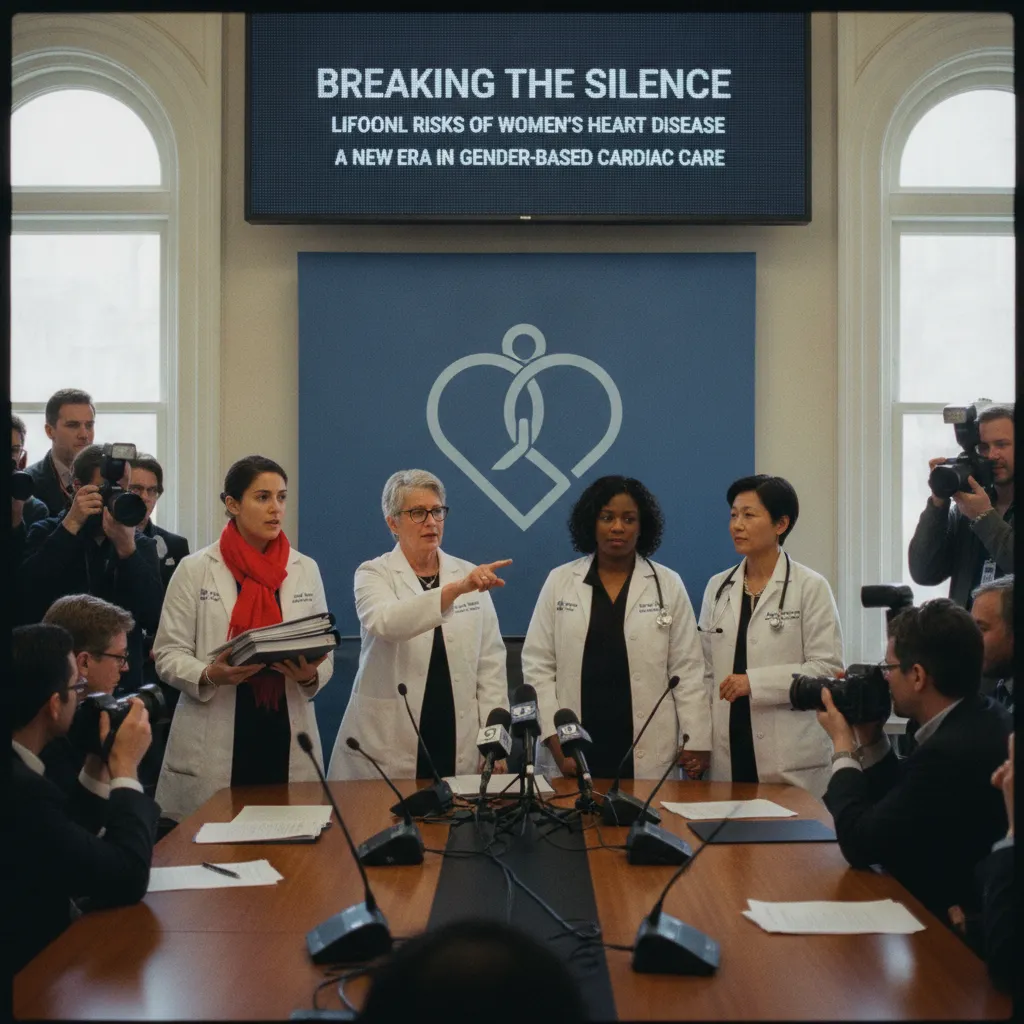
In a historic move to bridge the gap in gender based medicine, four major health organizations have joined forces to completely rethink how doctors approach cardiovascular care for girls and women. The American Heart Association, along with specialists in pediatrics, obstetrics, gynecology, and maternal fetal medicine, released a landmark set of guidelines designed to stop treating heart health as a late stage concern. Instead, they are introducing a framework that tracks cardiac risk from the very first menstrual cycle through menopause and beyond.
The initiative comes at a critical time when progress in preventing heart disease among women has largely plateaued over the last twenty years. Despite cardiovascular disease being the leading killer of women in the United States, claiming more lives annually than several types of cancer combined, only about forty percent of women recognize it as their primary health threat. Experts warn that without a shift in strategy, hypertension rates could climb significantly by 2050, while cardiovascular issues already remain a leading cause of medical related deaths during pregnancy.
To combat this, the new Female Life Stage framework identifies specific biological windows where hormone shifts create unique vulnerabilities. By dividing a womans life into stages ranging from perimenarche in childhood to postmenopause in later years, clinicians can now screen for risks much earlier. A key component of this approach is viewing pregnancy as a biological stress test that can reveal hidden heart problems which might otherwise go unnoticed until a crisis occurs.
Beyond just screening tools, the collaborating societies are calling for the creation of National Centers of Excellence specifically dedicated to womens cardiovascular care. These hubs would integrate multidisciplinary treatment with specialized research and community outreach to ensure that care is no longer fragmented between different doctors. By connecting the dots between hormonal changes and heart function, medical professionals hope to provide holistic care that prevents strokes and heart attacks long before they happen.